
The quiet store trick that fills your cart before you even plan it
A shopping cart often fills up gradually‚ as shelf layout‚ in-store offers and atmosphere nudge shoppers toward items they never planned to buy.
Loading up the cart does not always happen as a result of a conscious decision to buy more. Very often it is a gradual process in which each additional product seems small and insignificant on its own. As small items join one another during the shopping trip‚ the total grows without being noticed right away. Many stores rely on exactly this process to increase the size of the average purchase. Once you understand how this process works‚ it is easier to recognize the mechanisms that lead to extra buying decisions.
Shelf Layouts That Lead to Extra Items
One of the main factors behind a fuller cart is the way the shelves are arranged in the store. Certain products are placed at eye level to catch shoppers' attention immediately. When an item sits in a prominent spot‚ the chance that it will end up in the cart rises significantly. In addition‚ complementary products are often placed side by side to create a natural sense of buying them together. This planning leads to extra purchases even when there was no intention to make them at first.
Deals That Appear Mid-Shop
Many stores display deals right at the moment when customers are already in the middle of shopping. When a special offer is shown next to a product you have chosen‚ it creates the feeling of a particularly good opportunity. People may add another product to the cart thinking it is a way to save. Even though the item was not part of the original plan‚ the deal makes it look worthwhile. This is how deals help increase the overall purchase.
Small Items Near the Checkout
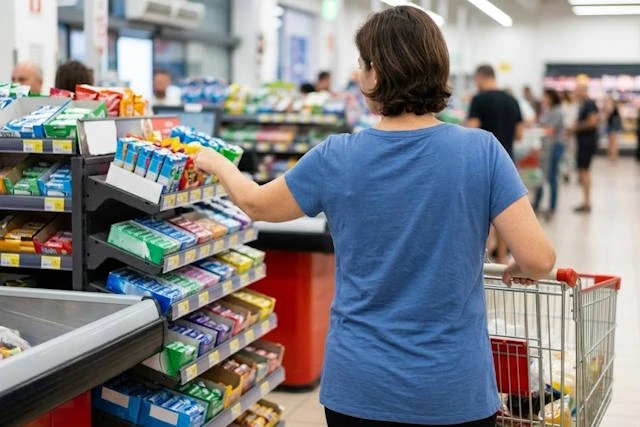
One of the best-known spots for adding products is the area next to the checkout counters. Small‚ relatively cheap items are often placed there so they can be added to the cart quickly. When customers have already decided to make a purchase‚ it is easier to add one more item that seems almost trivial. Such products are seen as a small decision that barely changes the total. But when this repeats many times‚ the total amount spent grows significantly.
A Sense of Progress While Shopping
As customers move between different areas of the store‚ they get a sense of progressing along a route. Each area presents new products that continue the shopping experience. The steady movement between shelves and categories creates a situation in which choosing extra products feels natural. Many people do not feel that they are adding items beyond their original plan. This sense of progress is part of how stores design the shopping experience.
An Atmosphere That Keeps You Browsing
Many stores invest in the overall atmosphere to create a pleasant and inviting shopping experience. Pleasant lighting‚ suitable music and an attractive product display can make people stay longer in the store. When being there is enjoyable‚ customers tend to keep wandering between the shelves. A longer stay increases the chance of choosing additional products. This way the atmosphere itself becomes part of the store's strategy.
In Summary
Many stores plan the shopping experience in a way that leads to extra products in the cart even without a conscious decision to add them. Shelf layout‚ displayed deals and the design of the atmosphere work together to create a gradual process of additional choices. When each extra item seems small on its own‚ it is easier to add it to the cart. Understanding how stores build this experience shows how buying decisions are influenced by the environment. Awareness of these mechanisms can help you better understand how your shopping trip develops.