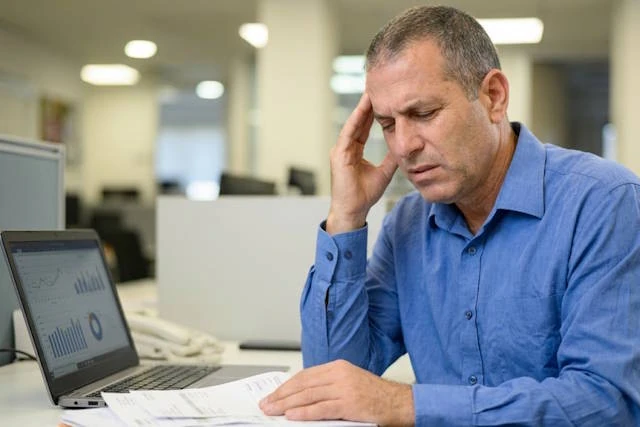

A racing heart is not always linked to physical effort
A fast heartbeat can appear even at rest‚ since stress‚ caffeine‚ fatigue and breathing patterns all affect the heart‚ not just exercise.
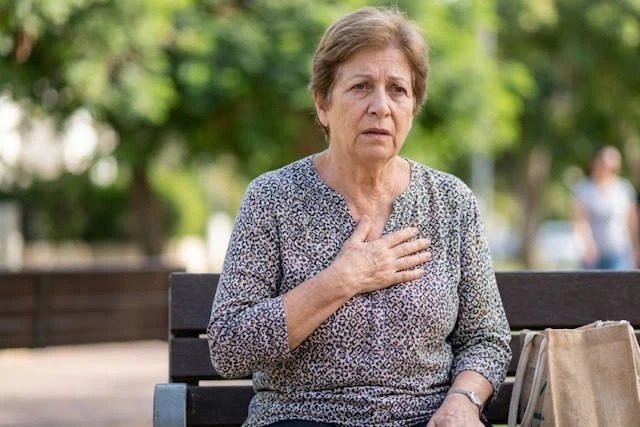
Many people assume that a fast heartbeat is always linked to physical activity‚ but the body responds to many other factors as well. Emotional stress‚ fatigue‚ shifts in energy levels or even a changing breathing rate can all affect how the heart works. When the heart responds to these triggers‚ the sensation can appear even at rest. Understanding these mechanisms makes it possible to see a fast heartbeat as part of a complex system that responds to the environment and to the body's internal state. That is why it is important to look at the context in which the sensation appears and not only at the fact that it exists.
Everyday Causes of a Faster Pulse
Many everyday situations can make the heart beat faster even when there is no strenuous activity. Drinking coffee‚ mental overload or a sudden change in mood can prompt the nervous system to step up the heart's activity. This response is part of a natural mechanism that prepares the body for action. When the trigger passes‚ the heart rate usually returns to its normal level. That is why it is important to understand that sometimes this is an entirely temporary response to a passing situation.
How Breathing Affects Heart Rate
Breathing patterns have a strong effect on how the heart works‚ and sometimes a small change in breathing rate also changes the pulse. When breathing is fast or shallow‚ the nervous system may interpret it as a state of alertness. In such a state the heart increases its activity to support the whole body. Deep‚ slow breathing‚ on the other hand‚ can encourage a natural slowing of the heart rate. Understanding the link between breathing and pulse shows how the body responds to its own internal state.
Feeling on Edge Under Emotional Strain
Emotional strain can keep the nervous system in a state of high alertness for a long time. When the body is in this state‚ the heart may beat faster even without physical activity. This sensation can appear especially during busy periods or after an intense day. Sometimes it fades once the body gets enough rest. That is why it is important to understand that the heart responds not only to effort but also to your emotional state.
Caffeine and Daily Consumption Habits
Drinks that contain caffeine can affect the heart rate in some people‚ especially when they are consumed in large amounts. Caffeine acts as a stimulant that increases alertness‚ so it may also raise the pulse. When it is consumed several times a day‚ the effect can be felt even during hours of rest. Many people do not connect the sensation with their daily habit of drinking coffee or energy drinks. Paying attention to your consumption habits can sometimes explain why the sensation appears.
Paying Attention to Body Sensations at Rest
When the body is at rest‚ it is easier to notice internal sensations such as your heartbeat. Sometimes the very awareness of the sensation makes it seem stronger than it really is. People may interpret the sensation as abnormal even though it is an entirely natural response. Understanding how awareness affects the way sensations are perceived can reduce worry. When the sensation is treated as part of the body's natural functioning‚ it tends to fade more quickly.
In Summary
A fast heartbeat is not always linked to physical effort and is sometimes a natural response to various everyday factors. The body responds to emotional states‚ consumption habits and changes in breathing patterns in different ways. When you understand the range of possible reasons for this sensation‚ you can see it as part of the body's natural functioning. Being aware of the everyday factors that change your heart rate can reduce unnecessary worry. Taking a wider look at the state of your body helps you understand the sensation as part of a complex system that responds to your environment and routine.