Technology
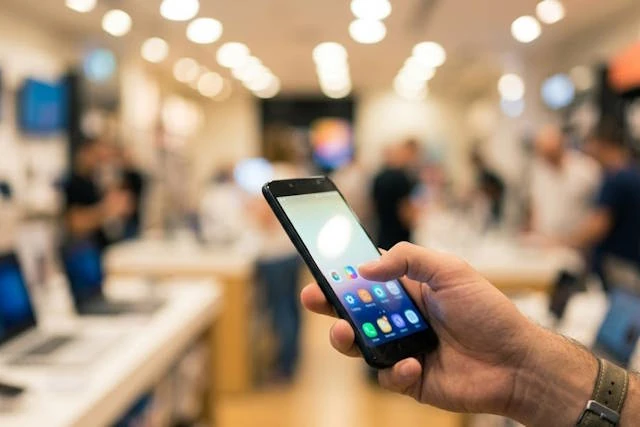
What Makes Some Technology Feel Futuristic But Unnecessary?
Why striking design‚ long feature lists and complex controls do not make technology useful‚ and what users really value in a product.
Sunday, November 29, 2026

News‚ updates and useful information for residents of Holon (and beyond!)

Why striking design‚ long feature lists and complex controls do not make technology useful‚ and what users really value in a product.

A first impression of a professional is built from how they talk‚ handle questions and carry themselves‚ and it is often surprisingly accurate.

Why rereading the same pages achieves little and how active processing‚ explaining ideas in your own words and asking questions turn reading into learning.

Ongoing stress affects more than mood‚ gradually changing breathing‚ sleep‚ energy levels and hormones‚ often without people noticing.

Short city trips‚ frequent stops and constant speed changes put cumulative stress on your car's brakes‚ engine and suspension.

Why moderate‚ consistent training with enough recovery builds fitness more steadily than exhausting sessions that push the body too hard.

How fixed places for belongings‚ storage that suits the space and a few short daily habits keep a home tidy without long cleaning sessions.

Curiosity‚ chance conversations with locals‚ spontaneous stops and unexpected food make a trip deeper and more memorable.

Savings often fade not from a lack of discipline but because the chosen method does not match the household's income and daily routine.

Preparing ingredients and tools before you start makes everyday cooking calmer‚ more enjoyable and even a little more creative.

How children pick up adults' stress through body language and tone of voice‚ and why open‚ age-appropriate talk strengthens their sense of security.

Choosing a home is not only about square meters and figures‚ as light‚ layout and the feel of the neighborhood shape the sense that a place fits.