

What Makes Some Technology Feel Futuristic But Unnecessary?
Why striking design‚ long feature lists and complex controls do not make technology useful‚ and what users really value in a product.
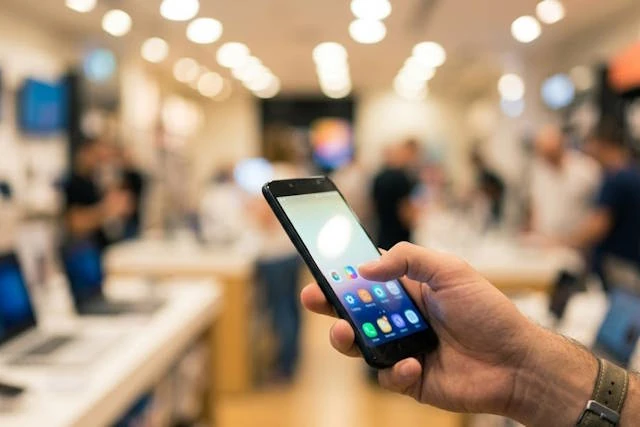
When technology focuses mainly on showing off advanced capabilities‚ it can lose sight of users' real needs. Solutions built around an impressive idea do not always fit naturally into daily life. Users may be excited by the new possibilities at first but soon discover that they are not especially useful. This experience creates a feeling that the technology is interesting but not essential. A gap opens between innovation and usefulness.
Advanced Design That Does Not Serve a Clear Need
Many tech products feature unusual design that highlights how innovative they are. Yet when the design does not serve a real user need‚ it remains a purely aesthetic element. Users may be impressed by the first look but find that daily use is less convenient. Design that is not adapted to simple actions can make use cumbersome. This creates a feeling that innovation comes at the expense of convenience.
Impressive Features That Few People Actually Use
Some tech products offer a wide range of features that are presented as a major achievement. In practice‚ however‚ many users make use of only a very small part of these capabilities. The gap between the many options and actual use creates a feeling that the system is too complex for everyday needs. When many features go unused‚ the value of the product drops. The technology looks advanced but does not fit into users' lives.
Complexity That Gets in the Way of Daily Use
Advanced technology may involve complex operating processes that require lengthy learning. Many users prefer simple solutions that let them complete an action quickly. When a system demands too long an adjustment period‚ it can put off potential users. This kind of complexity creates a gap between the innovative idea and practical use. The technology is seen as impressive but not necessarily useful.
A First Impression That Does Not Last
Many technologies manage to generate great excitement at their initial launch. Demo videos and impressive presentations of their capabilities spark strong interest among potential users. Yet after a short time‚ the initial excitement may fade when daily use does not provide clear value. Users start to ask whether they really need the product. It turns out that the first impression does not always reflect actual use.
Meeting Users' Real Needs
Technology succeeds when it fits naturally into users' needs. Products that understand everyday usage patterns well tend to stay relevant over time. When a solution meets a clear and simple need‚ even if it does not look especially spectacular‚ it gains real value. Users appreciate technology that makes life easier rather than simply impressing them. This is how real success is achieved in the digital world.
In Conclusion
Technology can look innovative and advanced and still fail to give users real value. When the focus shifts from users' real needs to a display of impressive capabilities‚ a disconnect forms between the product and daily use. Products that manage to fit naturally into users' lives stay relevant over time. The real value of technology is measured by its usefulness and not only by how innovative it is.