
People Look for Control and Get Even More Notifications
Why the stream of notifications from many apps splits attention and creates constant urgency‚ and how to manage the flow of information mindfully.
As the number of apps and digital systems grows‚ each of them tries to capture users' attention. Pop-up messages‚ reminders‚ updates and all kinds of notifications appear again and again throughout the day. Users find themselves reacting to information coming from every direction instead of managing it on their own terms. This creates a gap between the expectation of control and the digital reality. The result is an ongoing experience of information overload.
Many Notifications That Split Attention
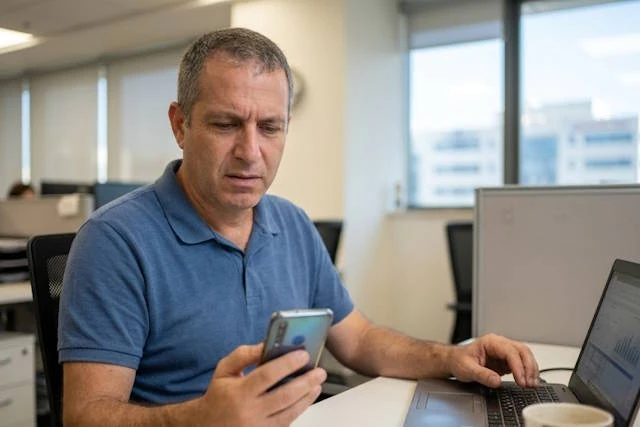
When notifications arrive from several different sources during the day‚ users' attention is split again and again. Every small message draws the eye to the screen and interrupts the current activity. These short breaks add up and make it hard to concentrate on longer tasks. Many users feel that they move from task to task without fully completing any of them. Notifications end up hurting concentration even though they were meant to help.
A Sense of Urgency That Creates Constant Pressure
Many notifications are worded in a way that creates a sense of urgency even when there is no real need. Users feel they must respond immediately so as not to miss important information. This feeling stays with them all day and creates ongoing tension. When every message seems urgent‚ it is hard to tell important information from trivial information. Emotional overload is added to information overload.
Many Apps Competing for Attention
Every app on a device tries to keep in constant touch with users through various messages and notifications. As the number of apps grows‚ the daily volume of messages rises significantly. Users may find themselves responding to dozens of updates a day. This creates a feeling that technology runs the daily schedule rather than the other way around. The result is an ongoing dependence on the screen.
Looking for Control in a Crowded Digital World
The feeling that information comes from every direction makes users look for ways to regain a sense of control. Some choose to reduce the number of notifications or set specific times for checking messages. When usage becomes more mindful‚ the feeling of overload can be reduced. This makes it possible to use technology in a way that serves users. Control gradually returns to their hands.
Mindful Management of the Information Flow
Managing notifications and updates well makes it possible to create a calmer digital working environment. When users choose which messages are truly needed and which can be turned off‚ the number of interruptions drops. This filtering restores control over personal attention. Many users find that fewer notifications improve concentration and a sense of calm during the day. Technology becomes a useful tool again rather than a source of overload.
In Conclusion
Modern technology promises better control over time and information but sometimes creates an overload of notifications and messages. As the number of updates grows‚ attention is split and control seems to slip away. Mindful management of notifications makes it possible to regain control over the digital day. You can then enjoy the benefits of technology without feeling flooded with information. The balance between use and overload is the key to a healthy digital experience.